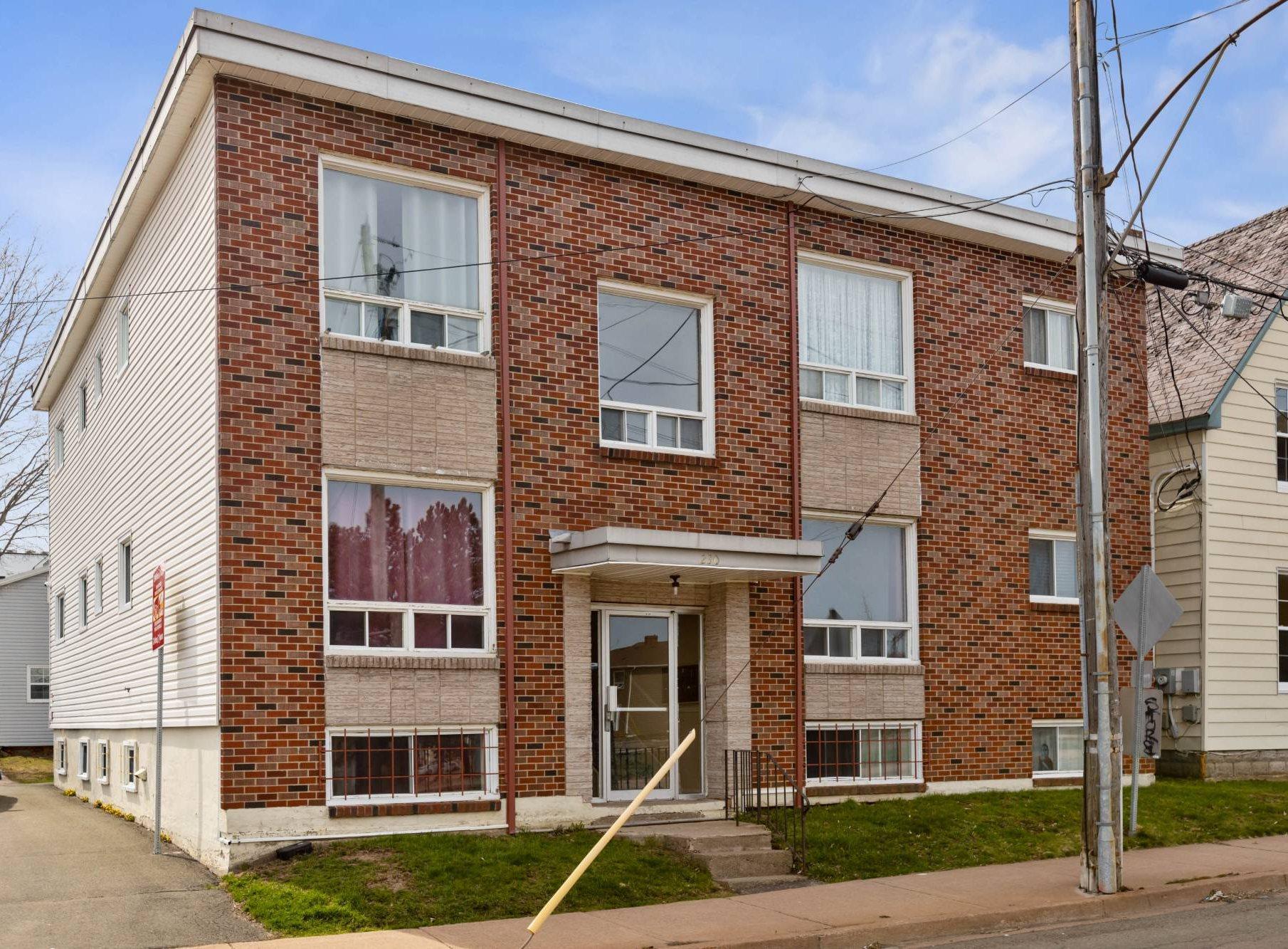
Since switching to them from a previous company, I have felt that GFPM was going to be the right fit starting with my conversations with owner and CEO, Tony. … While we are still in the middle of this building’s comeback story, I’m confident that GFPM will help me get the job done.
What working with us looks like, step by step
From your first call to your first statement, plus what we do when a furnace quits in January or a tenant moves out.
“… their system pretty much puts it all on autopilot - from rent deposits, to reporting, from annual inspections to small repairs as they’re identified - it’s all handled seamlessly.”

What happens from your first call to your first statement
Getting started takes six steps. We’ll give you dates for each one on your first call.
We talk it through
Tell us about the property, and what’s gone wrong before, if anything. We’ll tell you honestly whether we’re a good fit. First calls are with Tony LeBlanc, our founder.You get a written quote
We put the fee for your property in writing. If you own several properties or a whole building, you get a proposal instead.You sign the agreement
You sign a property management agreement that sets out your fees and terms in writing.We take over
We take it from there, and let your tenants know who to call from now on.You get your owner portal
It works in your phone’s browser, so there’s nothing to install. Sign in with your email or your Google account.Your first statement arrives
It shows up in your portal, with every dollar in and out.
Leaving another manager? Here’s how the switch works.
If you already have a property manager, moving to us takes three steps. Nothing about your tenants’ deposits changes.
You give notice under your current agreement.
Your agreement sets how much notice you give. We’ll tell you what to ask your current manager for.
We take it from there.
We work with your current manager on the handover and let your tenants know who to call.
Your tenants’ deposits stay where they are.
The Province holds every security deposit, before and after the switch, so there’s no money to move or chase.
Ground Floor took over the management of the building I’m in and only 30 days in I’m already impressed by their professionalism and attentiveness to tenant’s needs.
What happens when the heat goes out in January
Our property managers follow written steps for urgent calls, so it doesn’t matter who on the team picks up the file. Here’s the checklist for a no-heat call, start to finish.
We get the details
Which unit and rooms are cold, what the thermostat says, and who’s affected.We check the simple things first
The thermostat, the breaker, the fuel and the power. Sending a trade you don’t need is a cost you didn’t approve.We decide how urgent it is
Then we deal with things in that order, the most urgent first.We write it all down
Every call and every step goes in the property’s file.We send the right trade
Either CORE Property Services, our sister company, or an outside trade.We update you
We tell you what happened, what it costs and what’s next. Under $500, we go ahead. Over $500, we ask you first.We follow through
We confirm with the tenant that it’s fixed, then close the file.
The rules every repair follows
$500
When we ask you first
Under $500, we handle it, so you don’t get a call every time a faucet drips. Over $500, we ask you first, with the cost and the reason.
See it on a statementHourly
How repairs are billed
When our sister company, CORE Property Services, does the work, it bills at hourly rates or on a quote you’ve approved, so you know how each bill was worked out.
Read how repairs work with COREAfter hours
A person answers
Tenants call 506-204-8440 with an emergency after hours and reach a person, not a recording. If anyone is in danger (fire, flood, gas), they call 911 first.Call 506-204-8440
How much rent could your property earn? Send us the address and we’ll tell you, free.
Get a free rental analysisHow we fill a vacant unit
Here’s what happens between listing your unit and handing over the keys. Every applicant is screened before anyone signs, and no keys go out until the deposit and first month’s rent are paid.
We list your unit
We post it, with photos, on our rentals page.We show it to renters
We answer renters’ questions and show them the unit.Renters apply online
In English or French. The application takes about 10 minutes.We screen every applicant
We check credit and background, and contact previous landlords and references.The lease is signed
On the Province’s standard form of lease. The security deposit goes to the Province, not to us.We inspect at move-in
We inspect and photograph the unit. The tenant gets the keys only once the deposit and first month’s rent are paid.
We plan the turnover before the keys come back
A move-out starts well before the tenant hands back the keys. Here’s what we do, and what you hear from us along the way.
We review the file.
The lease, the move-in inspection and anything that’s happened since.
We look at the unit early.
We inspect it before move-out day, so we know what the turnover needs.
We tell the tenant what we expect.
What a clean, undamaged handover looks like.
We plan the turnover.
Cleaning, repairs and paint are lined up before the keys come back.
We keep you informed.
We tell you what we found, what it costs and what’s next. Over $500, we ask you first.
We document everything.
Photos and notes go in the property’s file.
The Province holds the tenant’s deposit and decides any claim against it.
What you’ll see in your portal
Here’s a sample statement for one month at a fictional duplex, with every dollar in and out. The $740 furnace repair was over $500, so it waited for the owner’s OK, and the statement shows the day it was approved.
Sample owner statement, January
Ground Floor Property Management · 47 Blakeny St, Moncton, NB E1A 4B8
- Owner
- A. Sample
- Property
- 1 Example Lane, Moncton, NB (a fictional duplex)
- Period
- January 1 to 31
- Income
- $2,745.00
- Expenses
- $1,178.54
- Owner payoutPayout
- $1,566.46
Income
- Jan 1Rent, Unit A (upper)
- $1,450.00
- Jan 1Rent, Unit B (lower)
- $1,295.00
Repairs
- Jan 9Plumbing, Unit B: kitchen drain cleared
- minus $186.00
- Under $500: handled
- Jan 14Heating, Unit A: furnace repair
- minus $740.00
- Over $500: approved by owner, Jan 14
Fees
- Jan 31Management fee
- minus $219.60
- 8% of $2,745.00 rent
- Jan 31HST on management fee
- minus $32.94
- 15% of $219.60
Security deposits
- Units A and B
- none
- Held by the Province, not in this account
Owner payout
$1,566.46
How to read it
- Each repair names the unit and the work.
- A repair over $500 shows the date you approved it.
- Our fee and the HST on it are on separate lines.
- Deposits for both units are held by the Province, not in this account.
How the owner portal works
- It works in your phone’s browser, so there’s nothing to install.
- You sign in with your email or your Google account.
- Your statements are there whenever you want them.
Tell us about your rental. Here’s what happens next.
Start with the address, or just the town. We email you to set up a call at a time that works where you live, and first calls are with Tony LeBlanc, our founder. After the call, you get a written fee quote for your property.